Picture this: months after your California trip, you’re scrolling through photos when you stop cold on an image you don’t recognize. Towering hexagonal basalt columns. Perfectly geometric. Almost unreal. The caption reads Devil’s Postpile. Your stomach sinks—you were in Mammoth Lakes. How did you miss this?
This scenario plays out every year for travelers who visit Mammoth without realizing that Devil’s Postpile National Monument lies just a short shuttle ride away. It isn’t hidden. It isn’t difficult to reach. It’s simply overlooked—often because trips are planned around ski lifts, generic trails, or lodging convenience rather than the region’s most extraordinary natural landmarks.
Devil’s Postpile is not just another scenic stop. It is one of North America’s most striking geological formations, created nearly 100,000 years ago by cooling lava that fractured into near-perfect hexagonal columns. Standing before it feels less like sightseeing and more like encountering something rare—an experience that reshapes how you think about scale, time, and the forces that shape the planet.
The difference between travelers who experience Devil’s Postpile and those who miss it often comes down to a single decision made before the trip begins: how intentionally Mammoth Lakes is approached. Where you stay, when you go, and how you structure your days determine whether Devil’s Postpile becomes the highlight of your vacation—or a regret discovered later in someone else’s photos.
This guide explores why Devil’s Postpile deserves a place at the very top of your Mammoth Lakes bucket list, how to experience it at its best, and how thoughtful planning turns a good mountain getaway into an unforgettable adventure anchored by one of California’s most remarkable natural wonders.
Why it matters: Devil’s Postpile is not just visually striking—it represents a rare geological process preserved at monumental scale.
Devil’s Postpile National Monument is the result of a volcanic event that occurred nearly 100,000 years ago, when molten lava flowed into the valley and cooled with extraordinary uniformity. As the lava contracted, it fractured into nearly perfect hexagonal columns, stacking together like a massive stone pipe organ.
Rising roughly sixty feet, these columns are not random formations shaped by erosion. They are geometric structures formed by the physics of cooling lava, where hexagons emerge as the most efficient shape for uniform contraction—similar to the pattern found in honeycombs.
The experience doesn’t end at the vertical face of the monument. A short climb brings you to the top of the formation, where ancient glaciers once scraped across the basalt, polishing the exposed hexagons into a smooth, mosaic-like surface.
Here, the story of the Earth becomes tangible. Volcanic creation below. Ice-age transformation above. Standing on Devil’s Postpile feels less like observing nature and more like reading a chapter of geological history written in stone.
Why it matters: Humans are instinctively drawn to order in nature—and Devil’s Postpile presents it at a scale that feels almost unreal.
The moment you stand before the columns, something shifts. The precision challenges assumptions about randomness in the natural world. This formation has captivated geologists, appeared in textbooks and documentaries, and inspired generations of visitors—but seeing it in person creates a far deeper impact than any image.
Long before modern science explained its origins, Indigenous peoples recognized Devil’s Postpile as a place of significance. Visiting today places you within a continuum of awe and respect that stretches back centuries.
This is not a box to check on a sightseeing list. It is an encounter.
Why it matters: Devil’s Postpile requires intentional planning—and that exclusivity is part of what preserves its magic.
During peak summer season (typically mid-June through early September), Devil’s Postpile National Monument is accessible only via a mandatory shuttle departing from the Mammoth Mountain Adventure Center. Private vehicles are not permitted.
This system protects the surrounding ecosystem, but it also means your lodging location and daily schedule matter far more than most travelers realize.
Early-morning shuttle departures offer the most rewarding experience. Golden-hour light warms the basalt columns, enhancing texture and depth while crowds remain minimal. The half-mile walk from the shuttle feels invigorating rather than rushed, and photography conditions are at their peak.
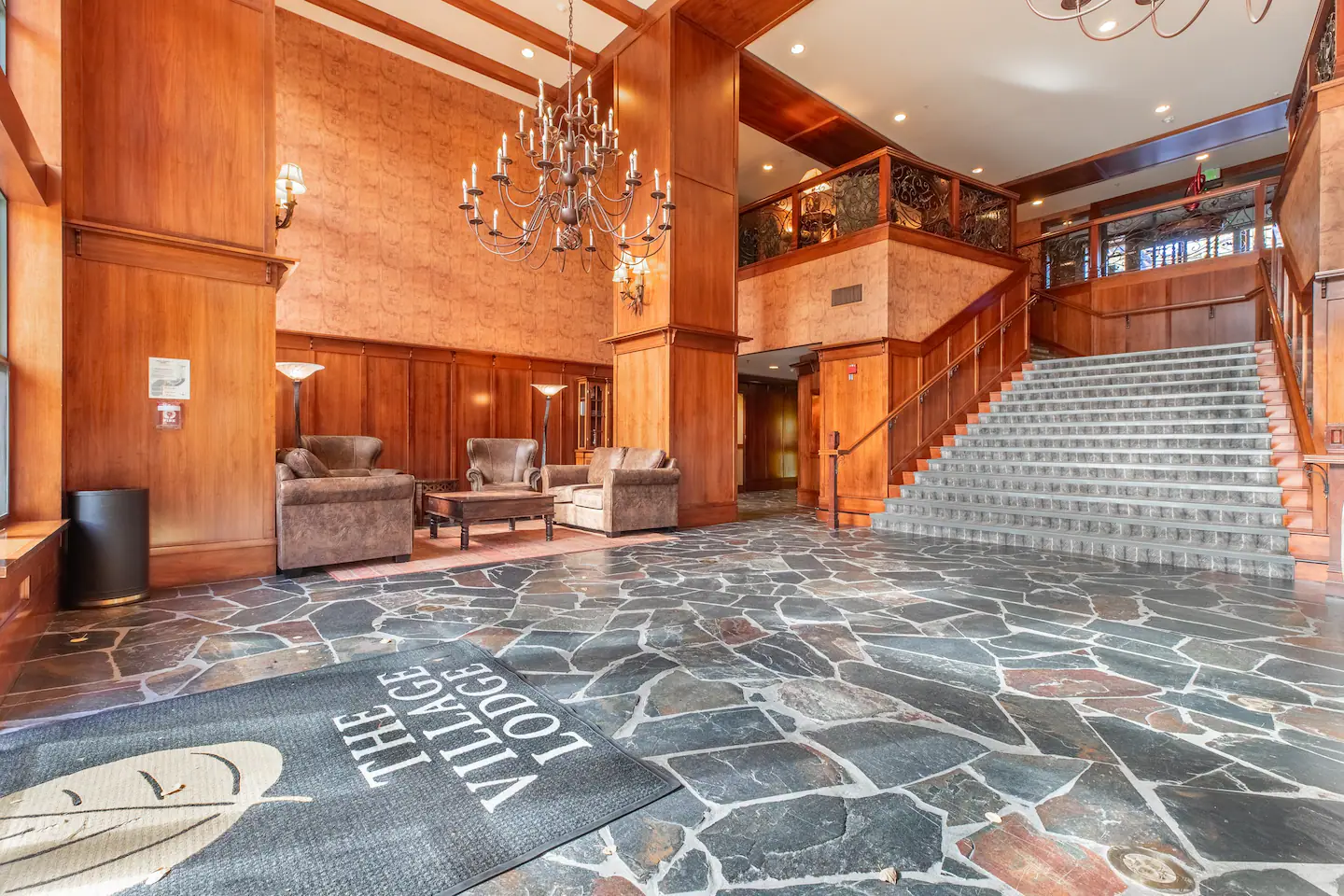
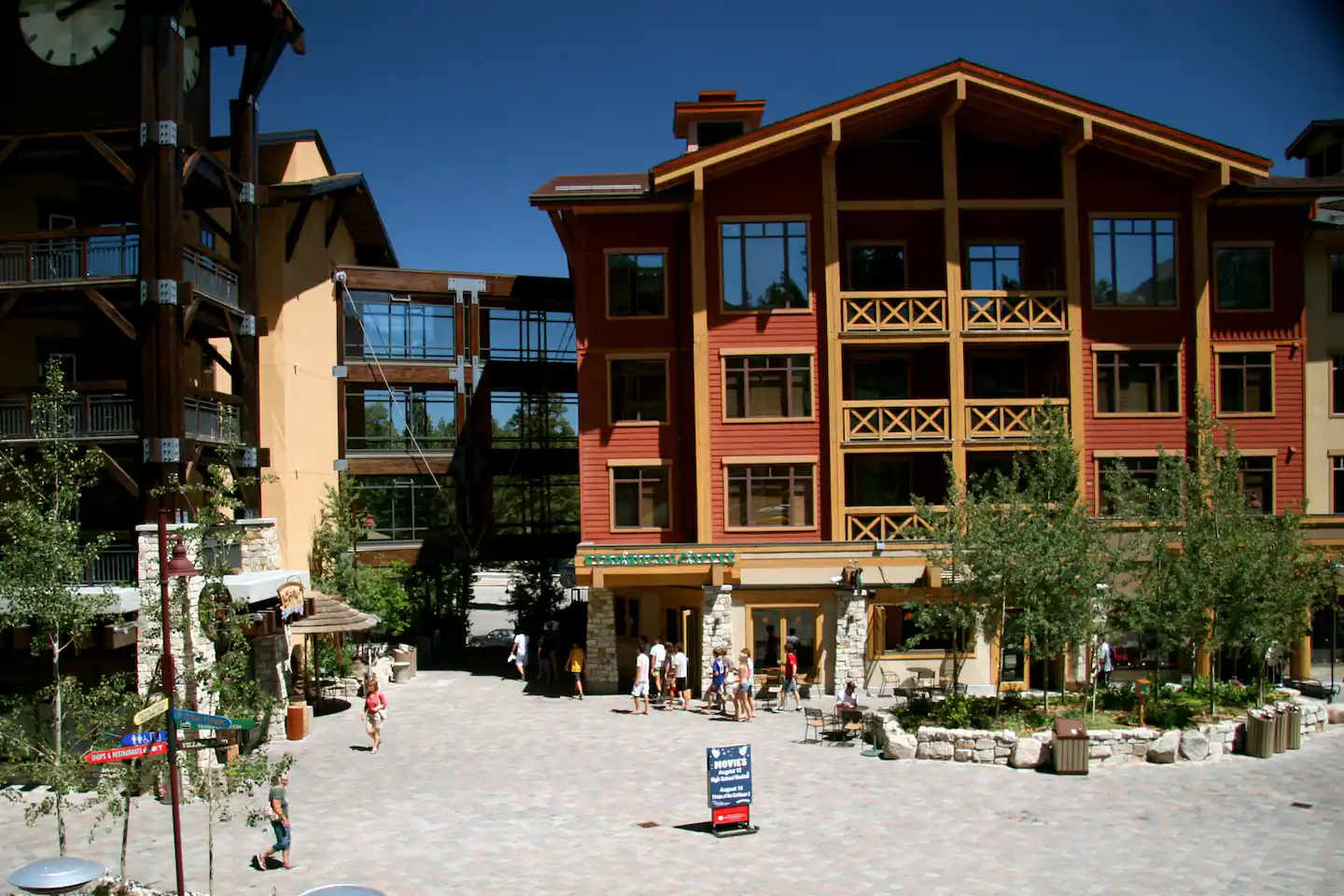
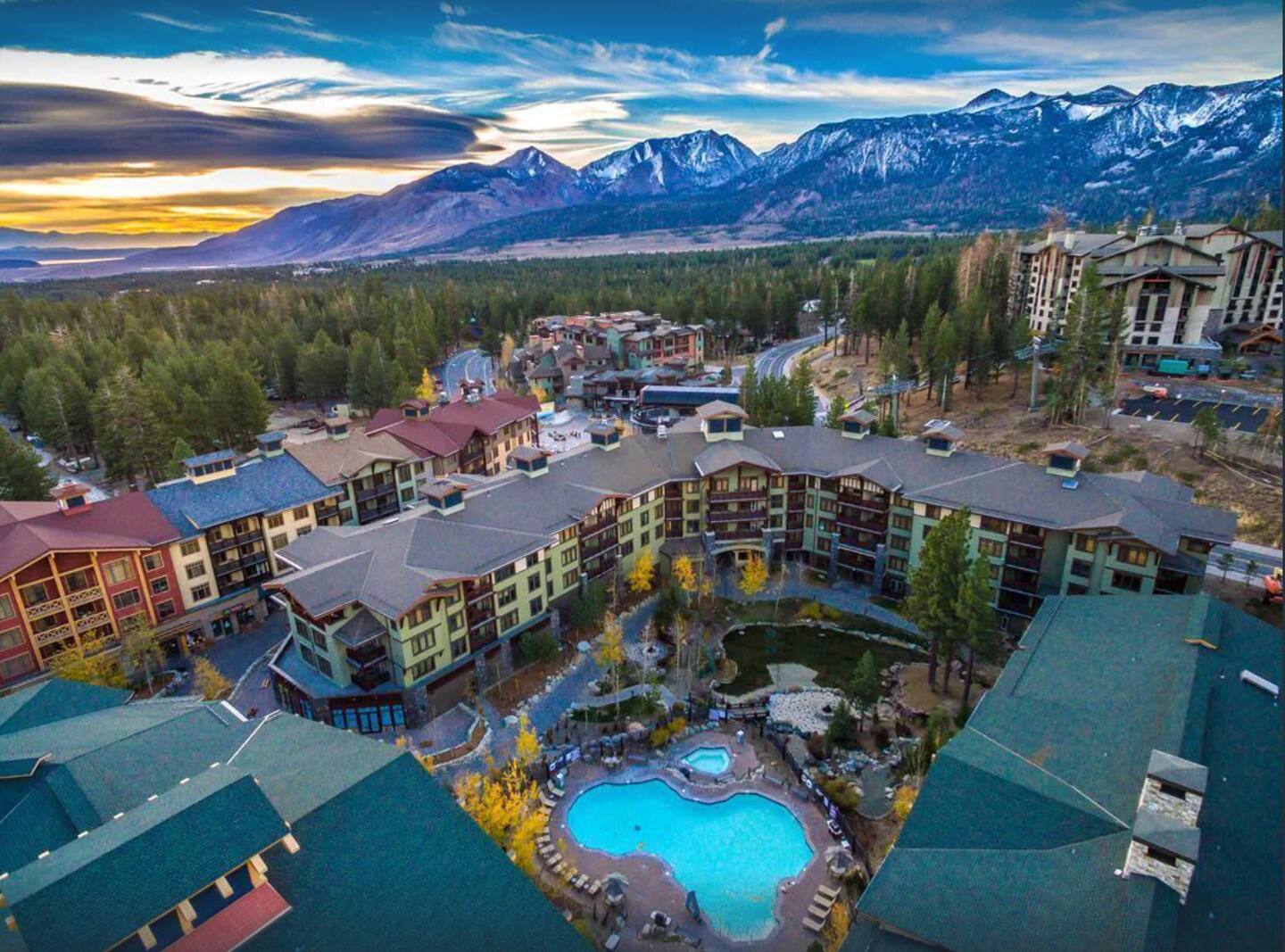
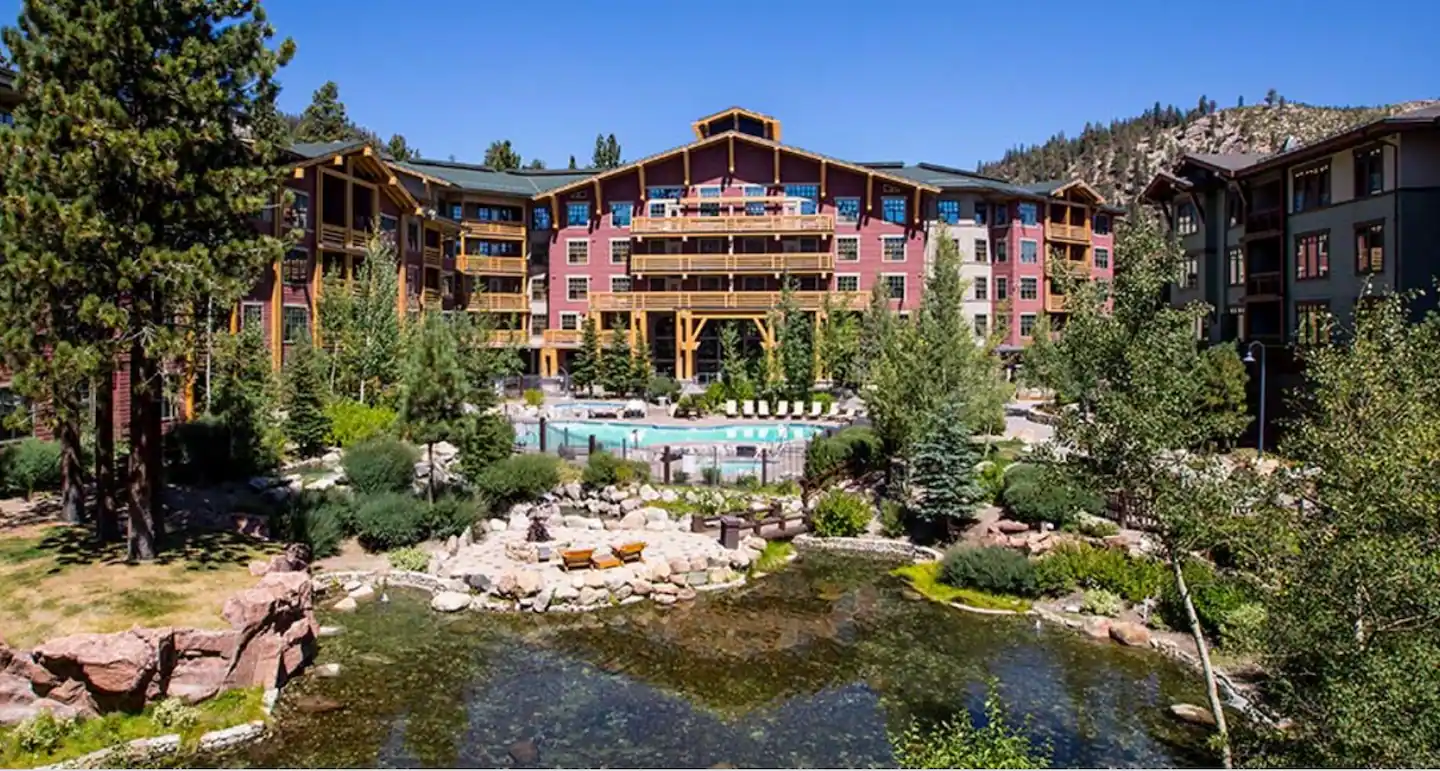
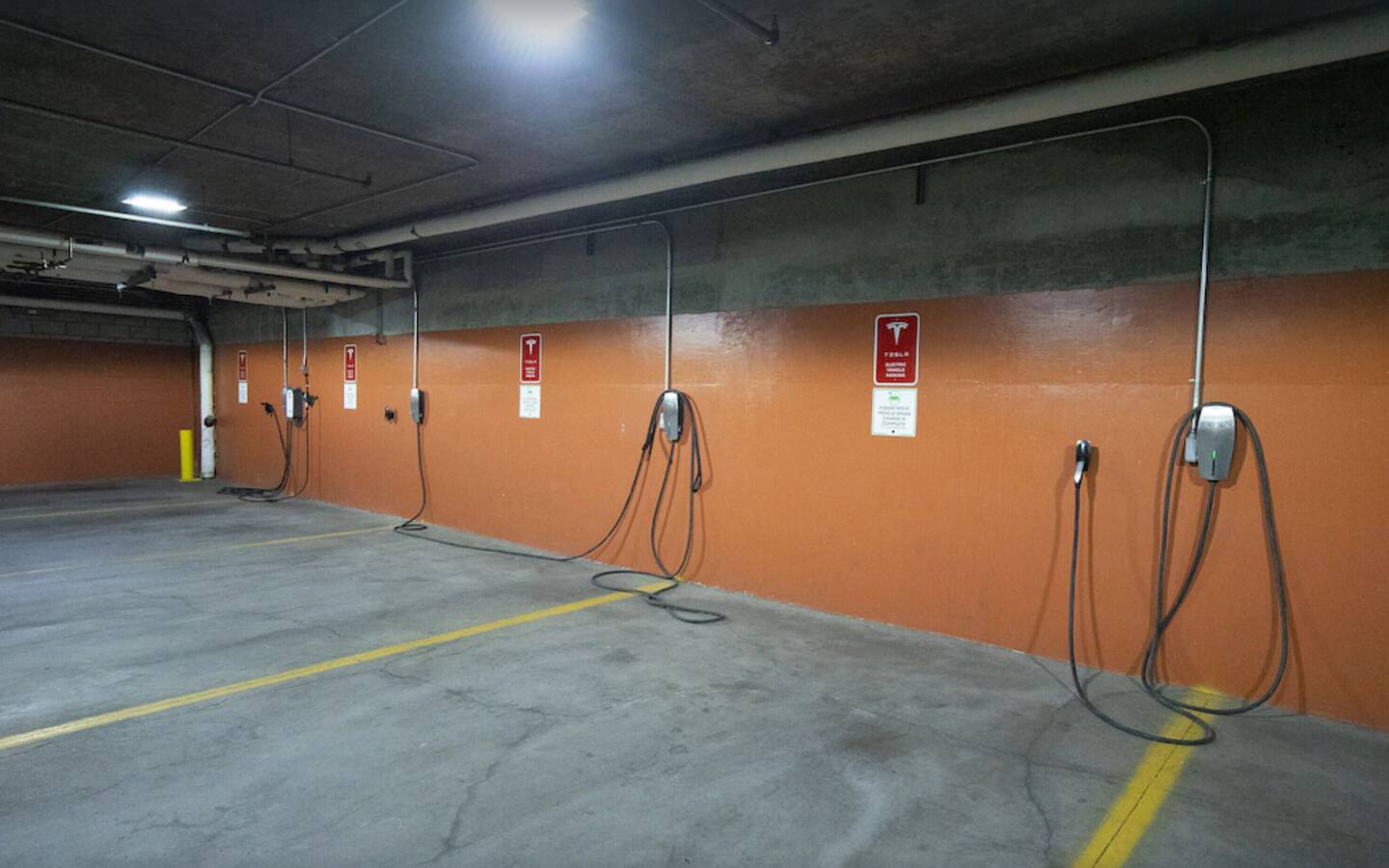
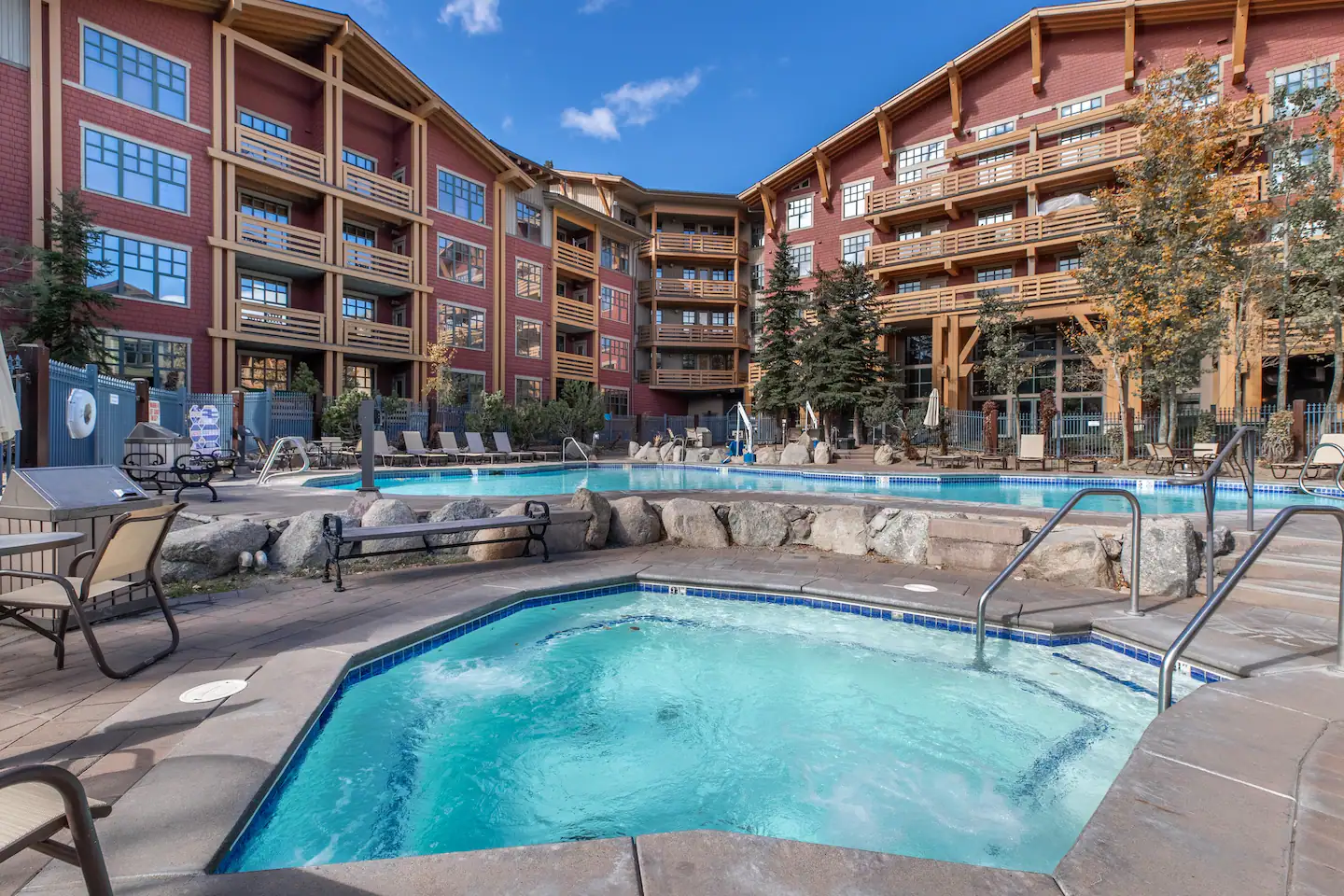
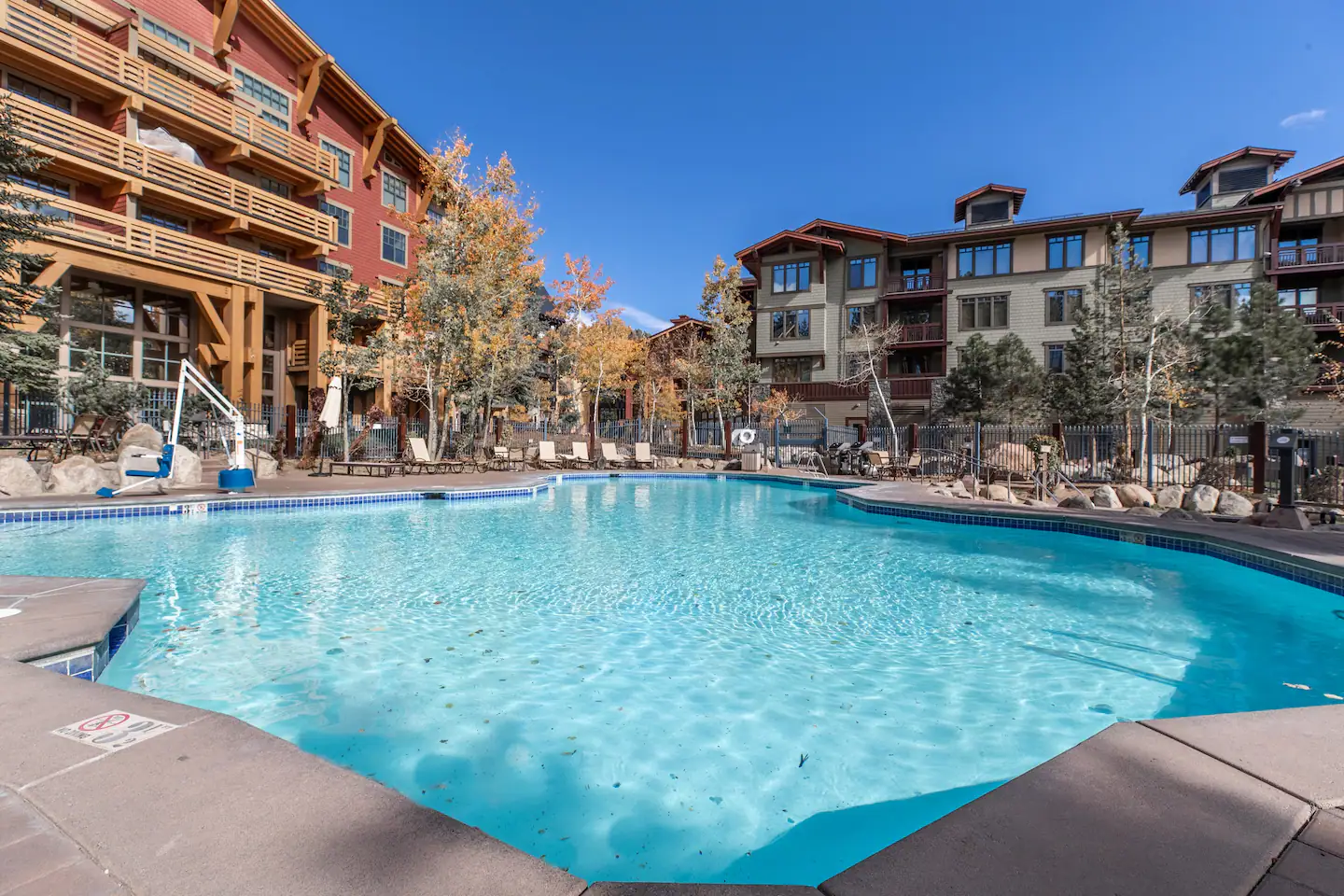
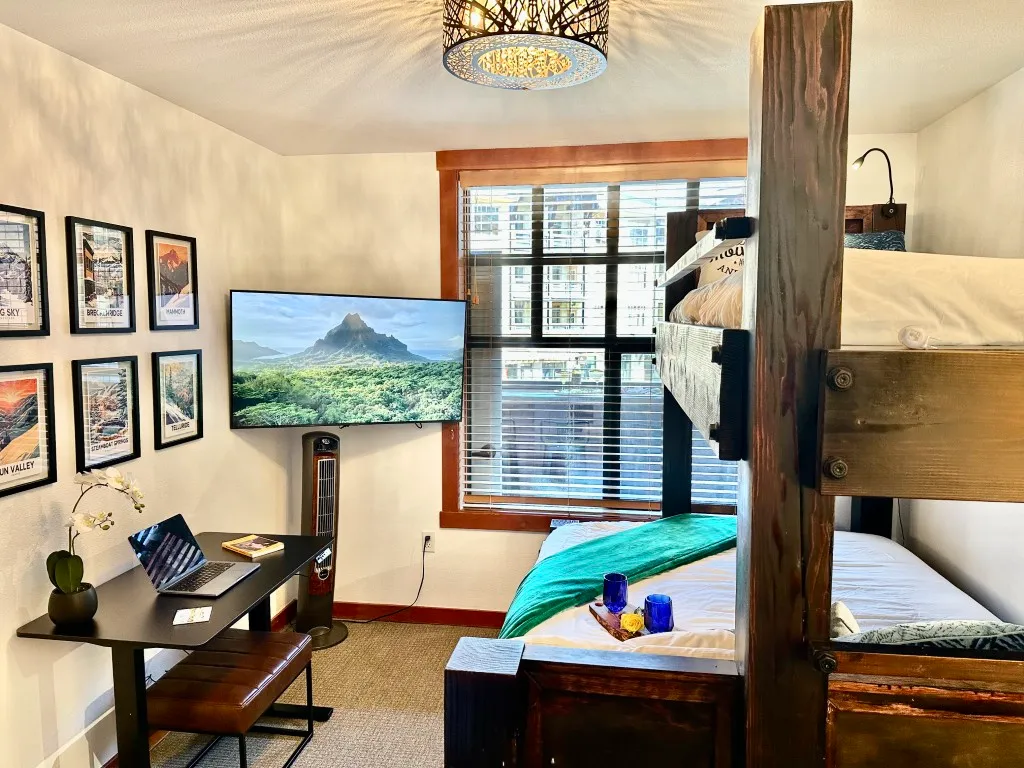
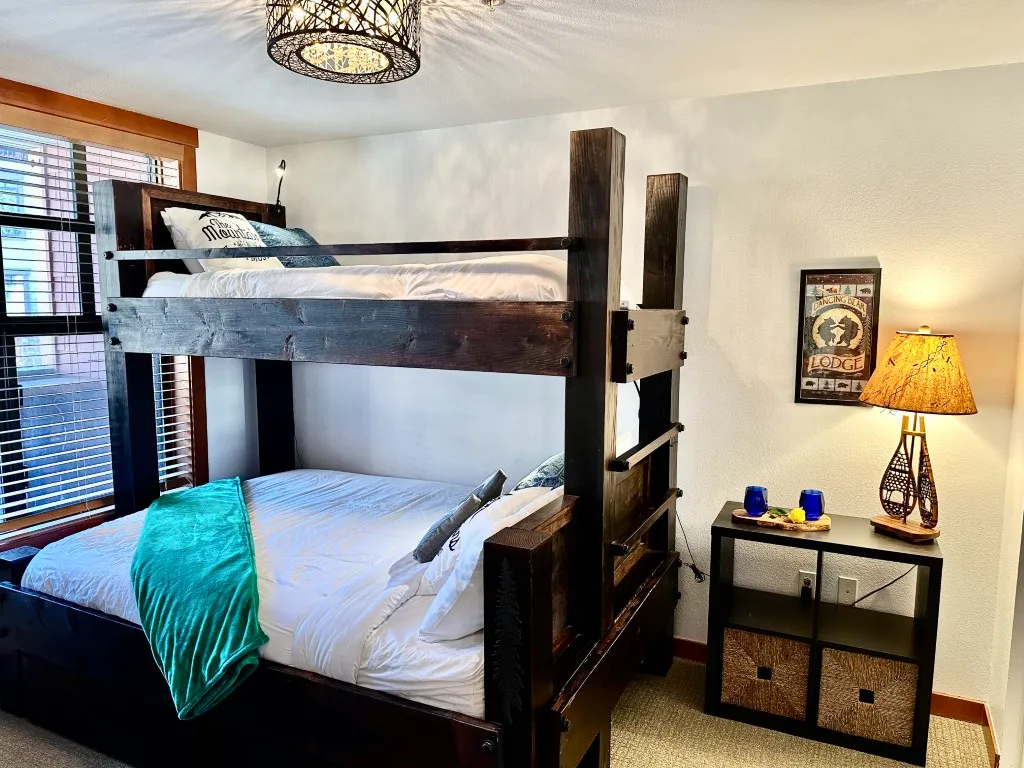
Choosing accommodations that place you close to the shuttle departure point simplifies everything—reducing stress, saving time, and allowing the monument itself to remain the focus of your day.
Why it matters: Devil’s Postpile is accessible only during a narrow window each year.
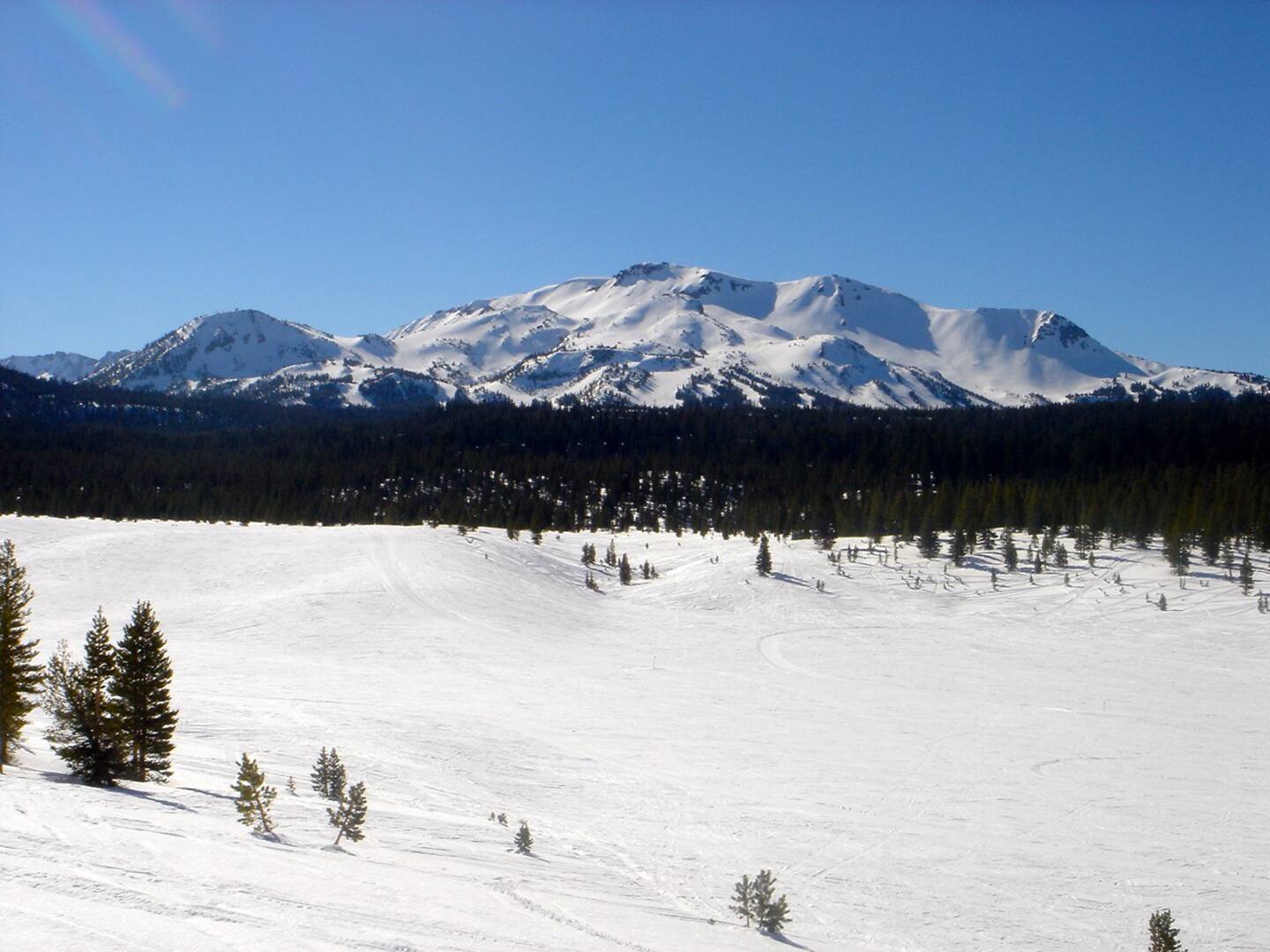
Heavy snowfall renders the monument inaccessible for much of the year. Summer brings opportunity—but even then, timing matters.
The basalt columns will remain for millennia, but your opportunity to experience them under ideal conditions is fleeting. Planning transforms this from a “someday” destination into a decisive summer priority.
Why it matters: The approach to Devil’s Postpile is part of the experience, not just a means to an end.
From the shuttle stop, a half-mile trail winds through Jeffrey pine and red fir forest, crossing wooden bridges over clear mountain streams. The walk is accessible for families, yet immersive enough to feel like a genuine wilderness encounter.
You hear the monument before you see it. Sound behaves differently around the columns, subtly signaling that something unusual lies ahead.
When the forest opens and the columns come into view, the scale becomes immediately apparent. Photographs cannot convey the physical presence of sixty feet of geometric precision rising from the valley floor.
Why it matters: The view from above reveals a second, equally compelling perspective.
A short but steep connector trail leads to the polished top of Devil’s Postpile. Here, the hexagonal columns form a vast stone mosaic, smoothed by ancient glaciers.
Walking across this surface feels surreal—an architectural pattern created entirely by natural forces. Subtle color variations emerge as clouds pass overhead, revealing the crystalline structure within the basalt.
Why it matters: Devil’s Postpile and Rainbow Falls together create a complete portrait of the landscape.
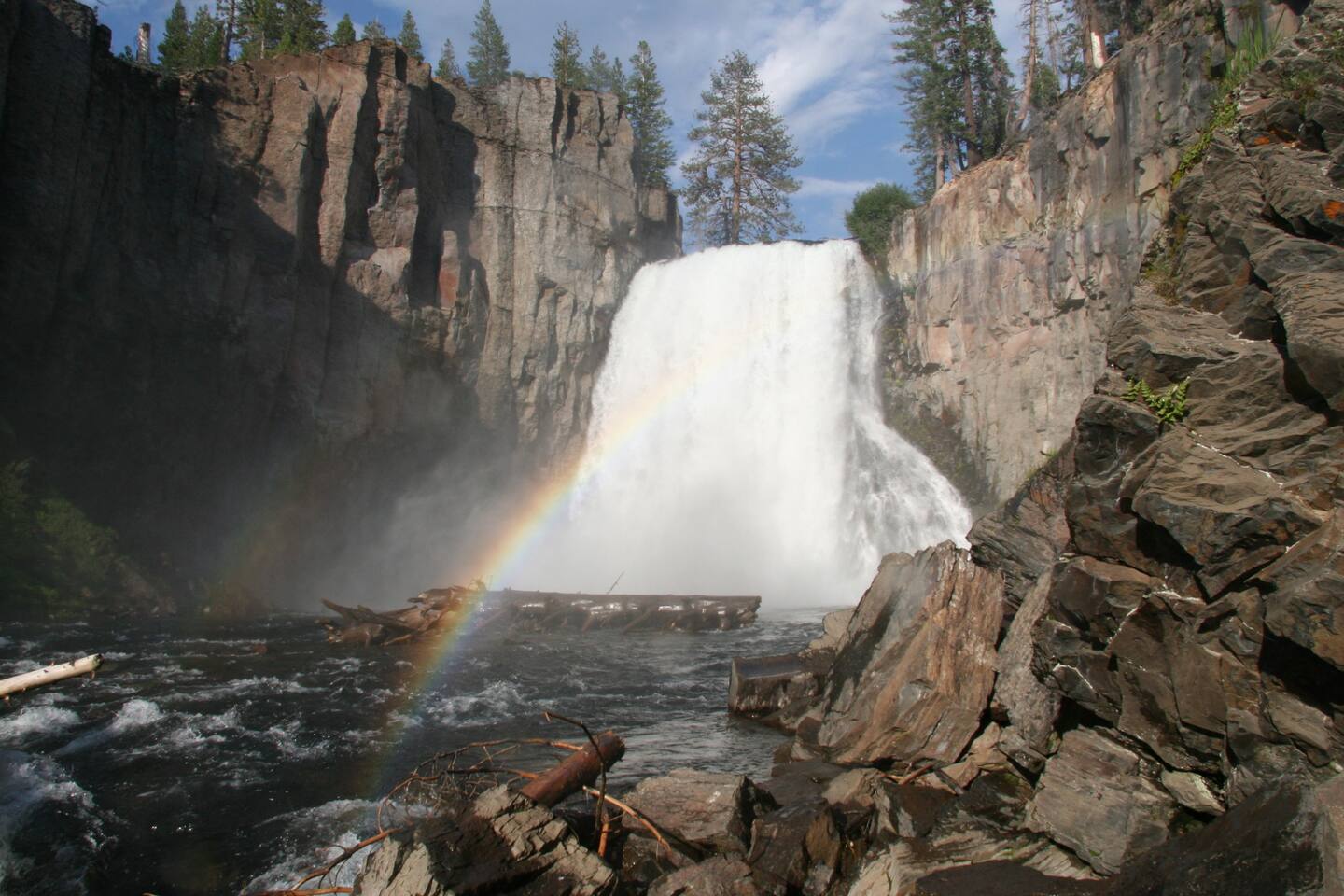
From the monument, the trail continues two miles to Rainbow Falls, a 101-foot waterfall that produces prismatic displays in midday sun. This extension transforms a morning visit into a half-day adventure.
Where Devil’s Postpile showcases geological precision, Rainbow Falls demonstrates motion, power, and light. The trail follows the Middle Fork of the San Joaquin River, offering continuous scenery and natural rest points along the way.
Why it matters: Devil’s Postpile rewards intentional photography.
The vertical columns create strong leading lines, while varying light conditions dramatically alter mood and texture.
Including people in your compositions provides critical scale reference, transforming images from beautiful to awe-inducing.
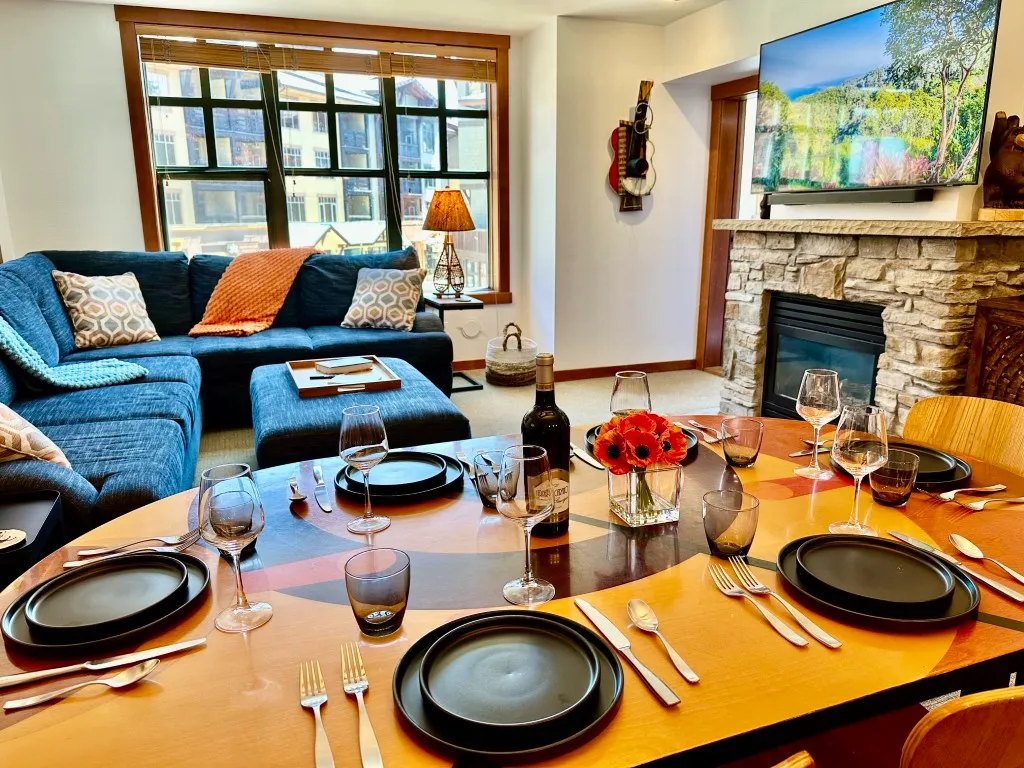
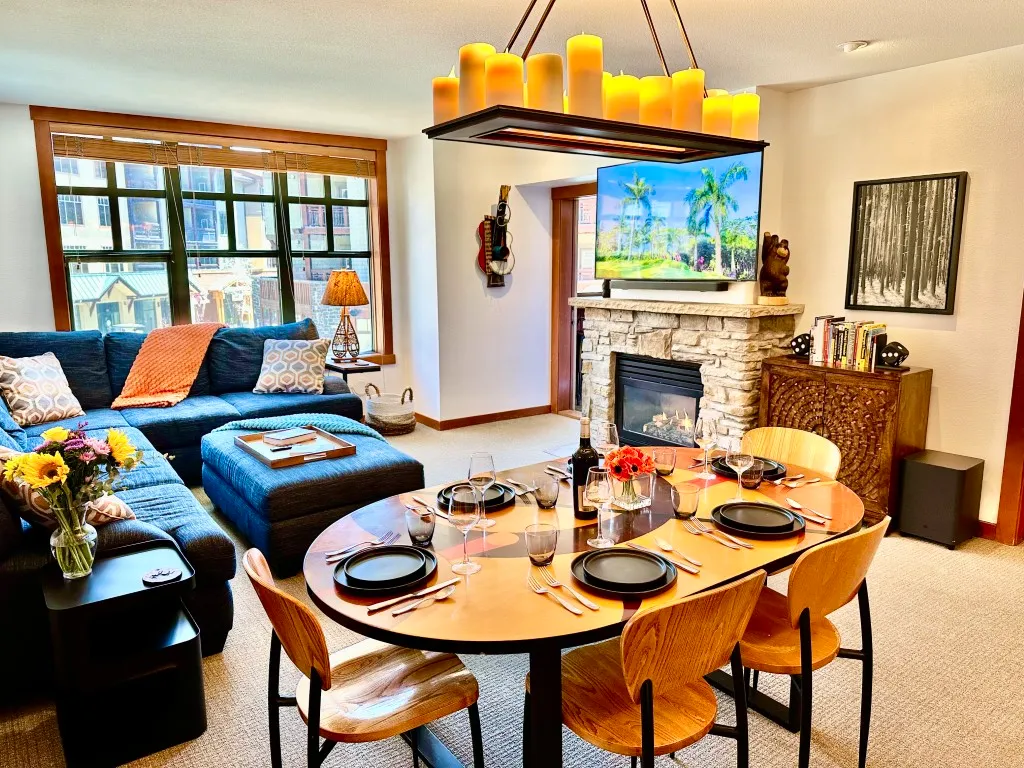
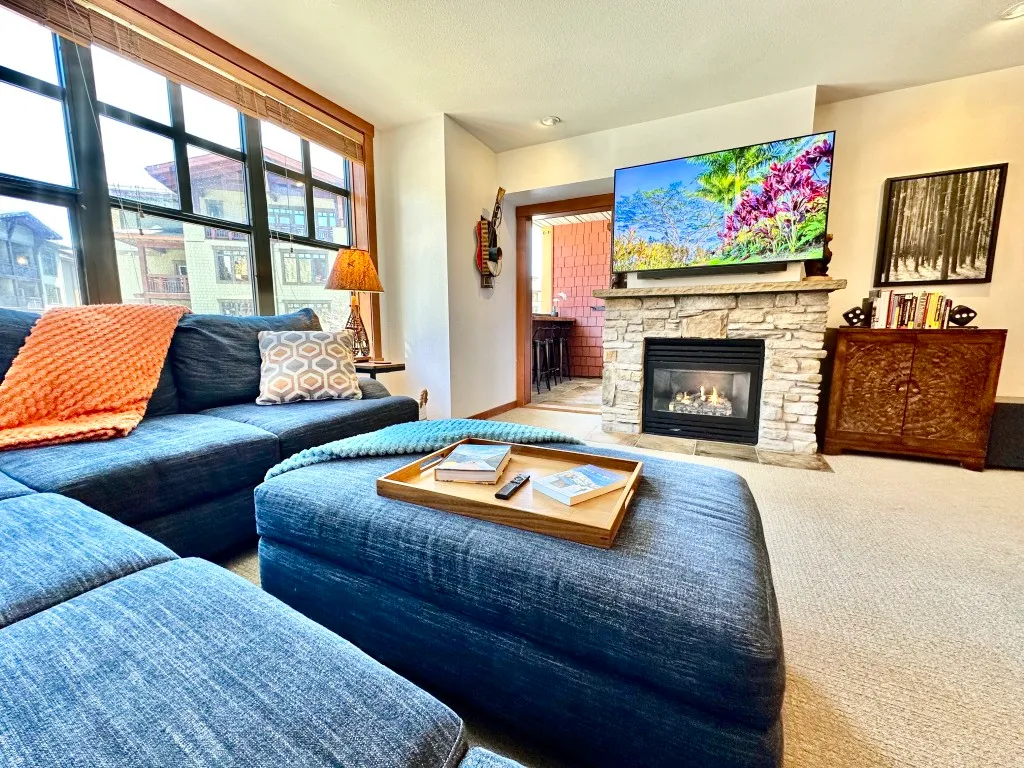
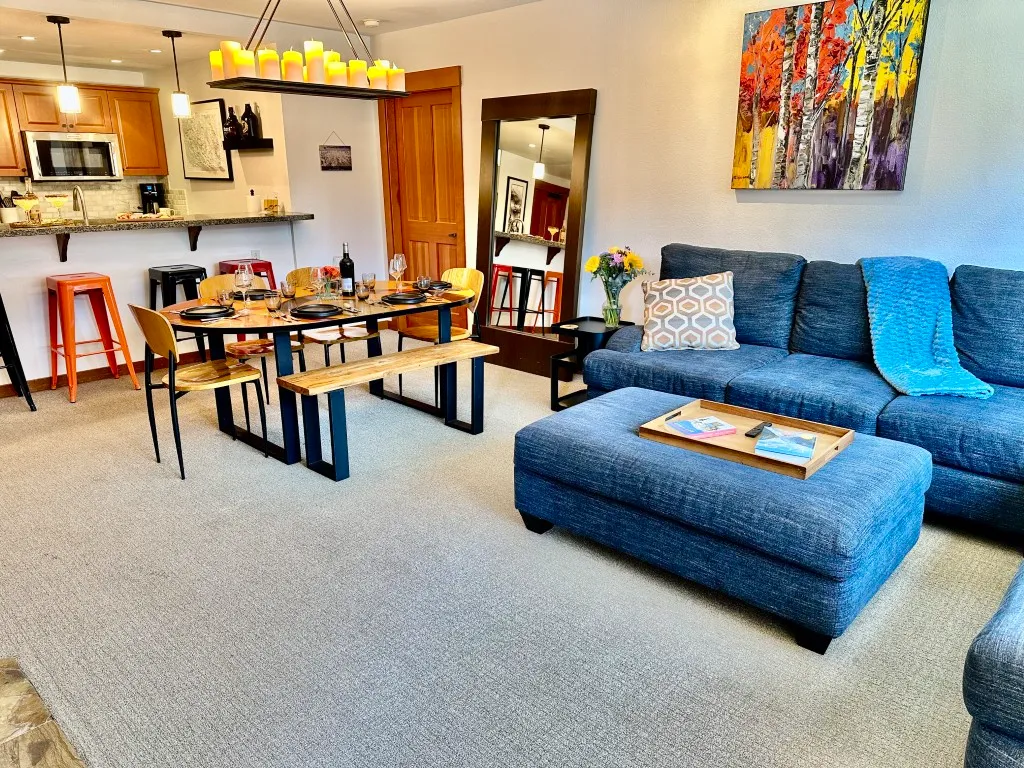
Why it matters: Where you stay determines what becomes possible.
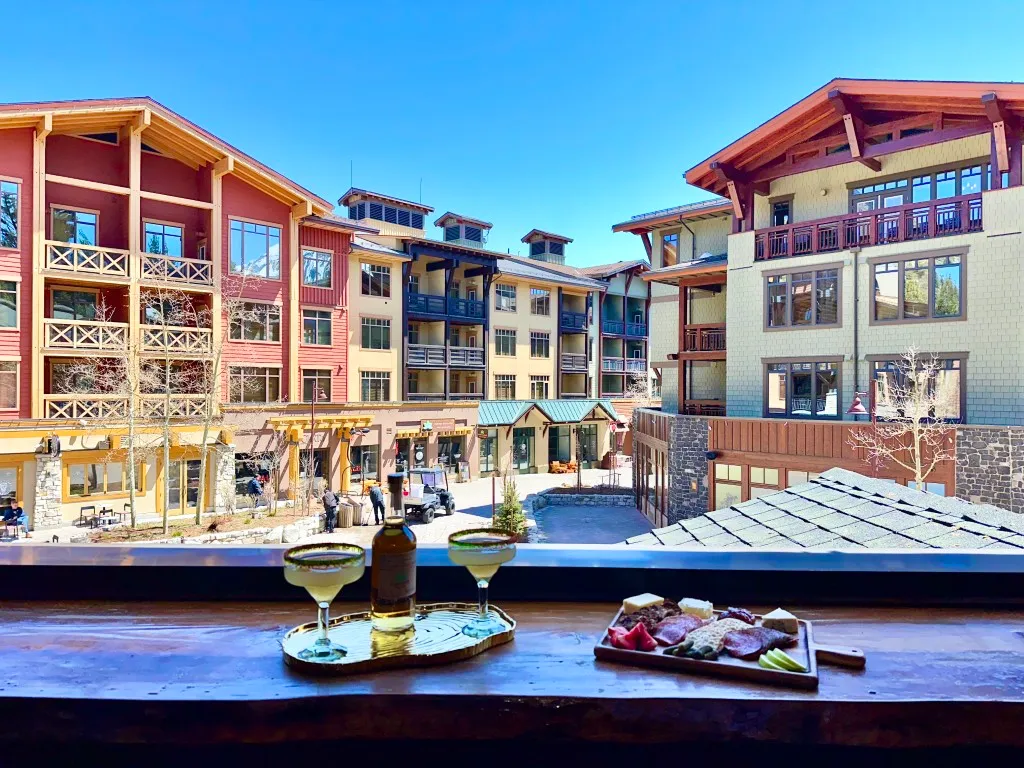
Catching early shuttles, avoiding logistical stress, and returning to comfort after a physically engaging day all depend on your basecamp. The difference between a rushed visit and a memorable one often traces back to this single decision.
A well-positioned basecamp allows your day to unfold smoothly—breakfast without haste, confident departure, unhurried exploration, and restorative return.
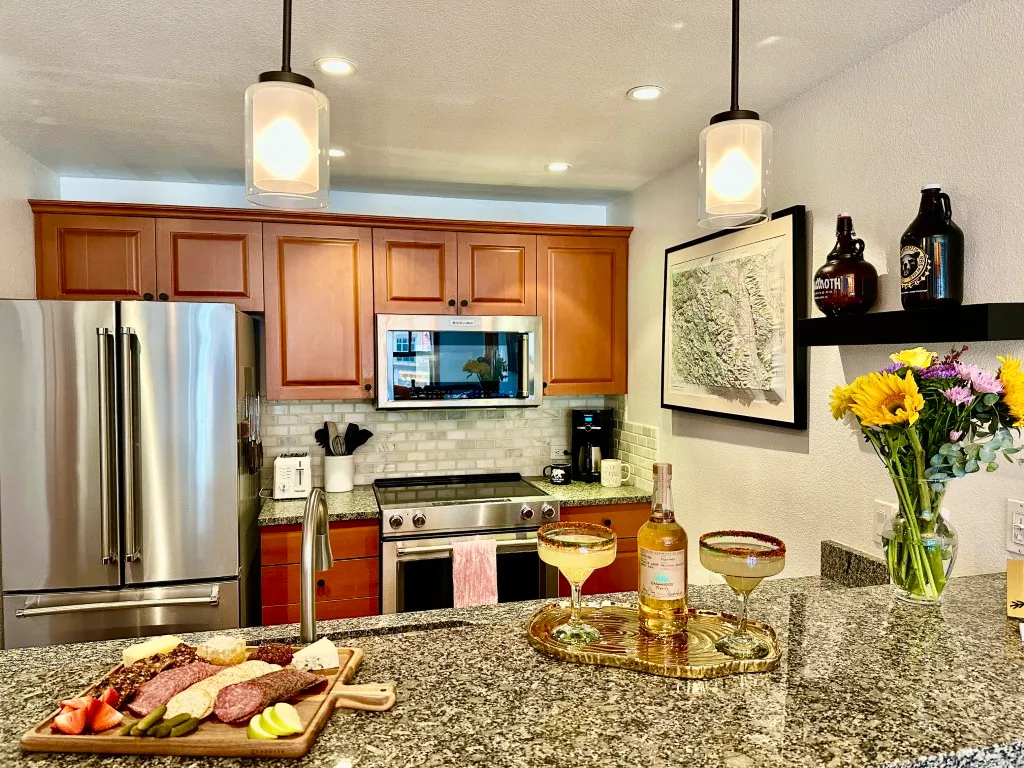
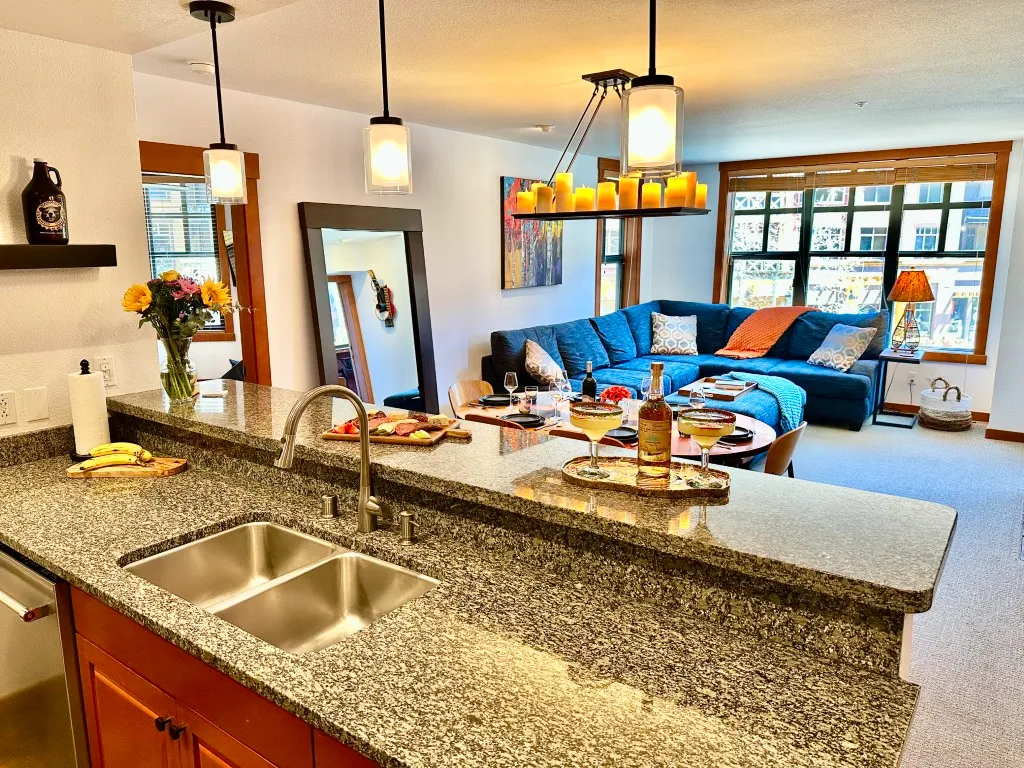
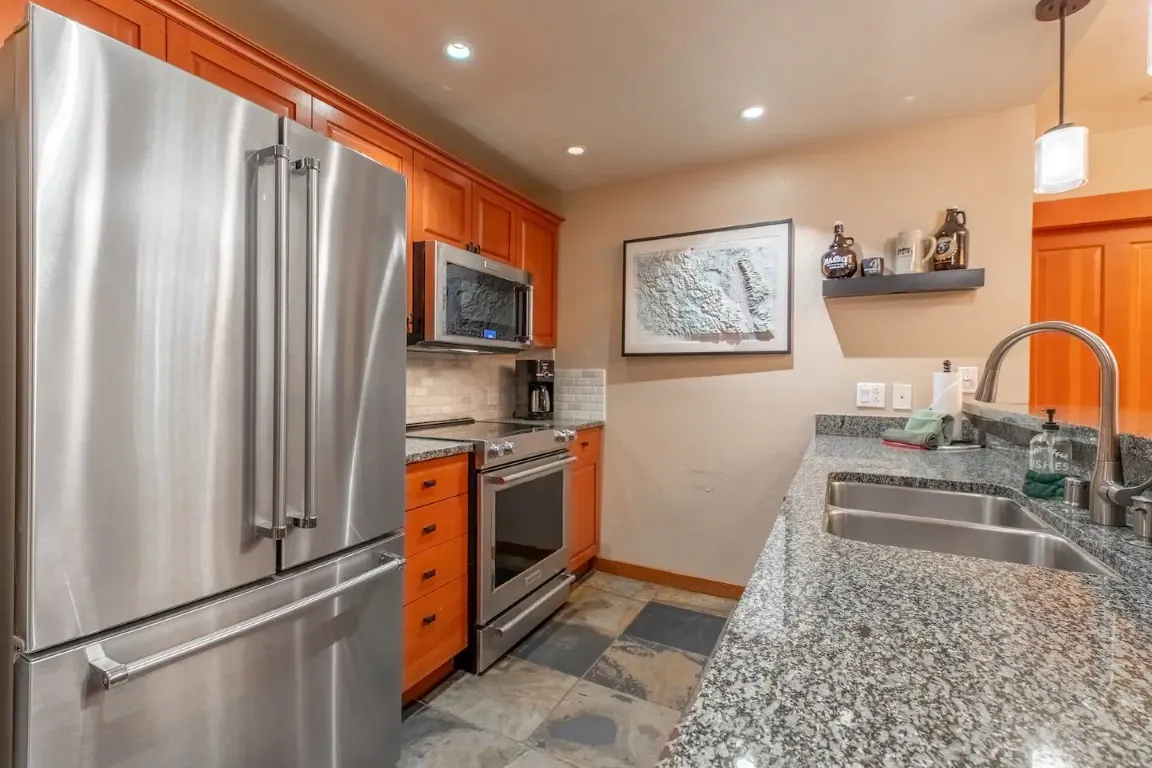
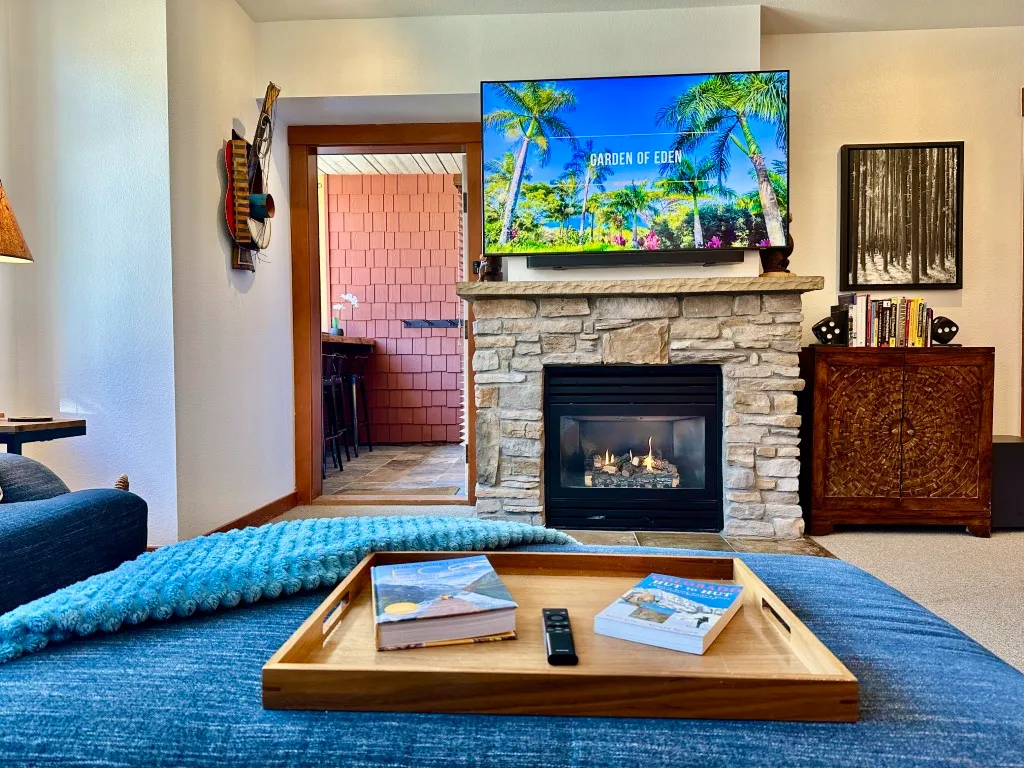
Why it matters: Comfort enables exploration; it doesn’t diminish it.
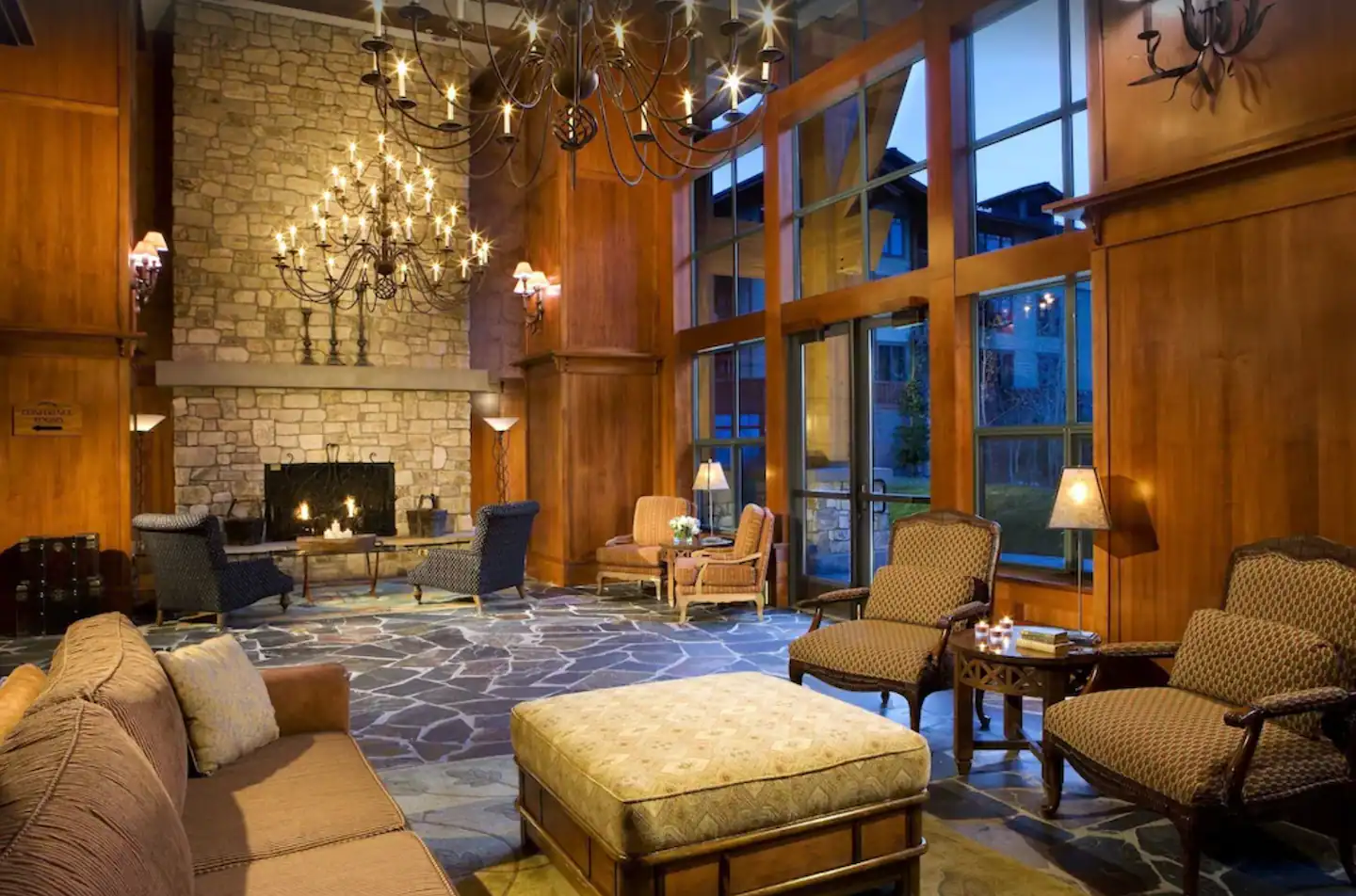
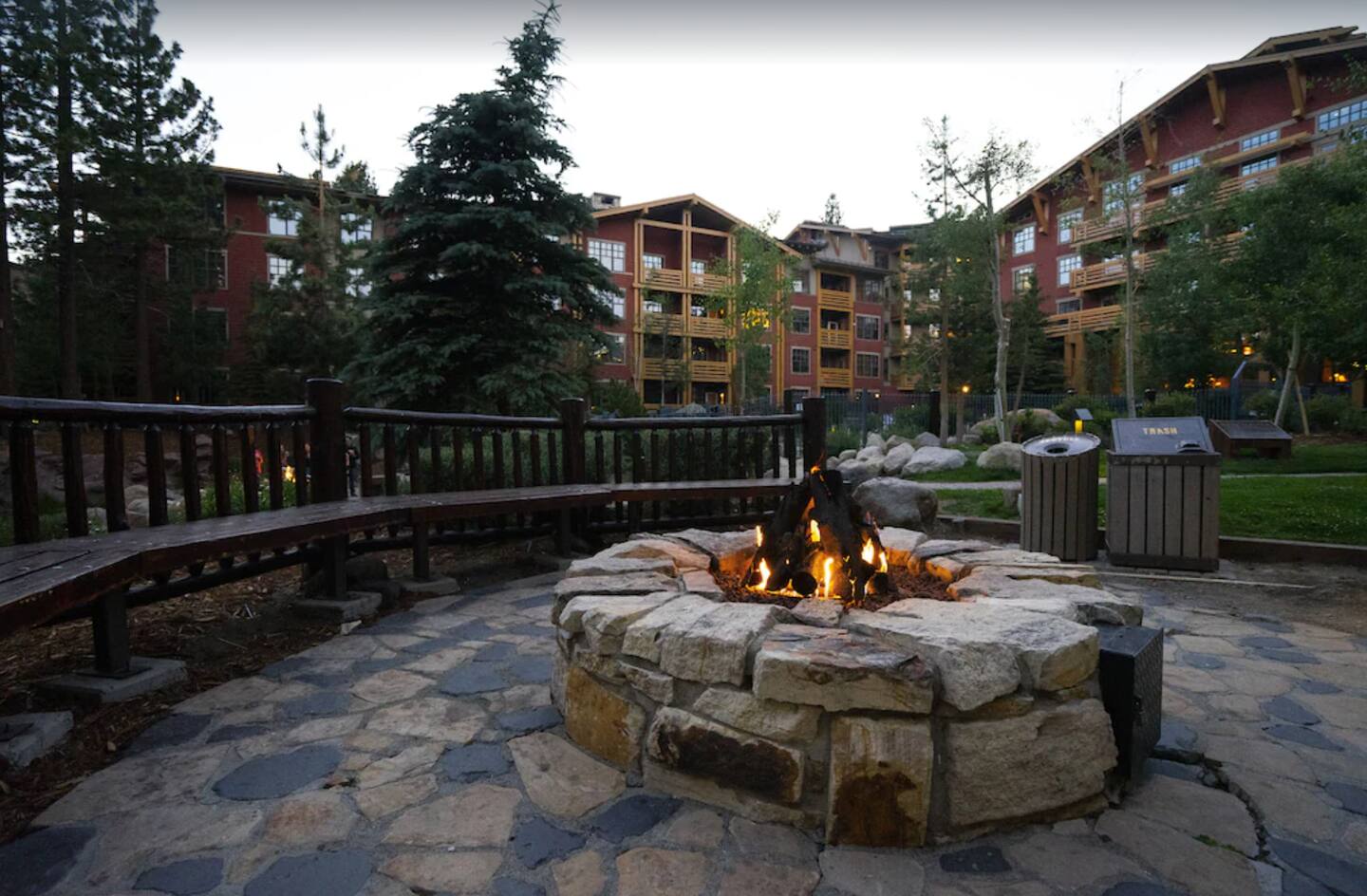
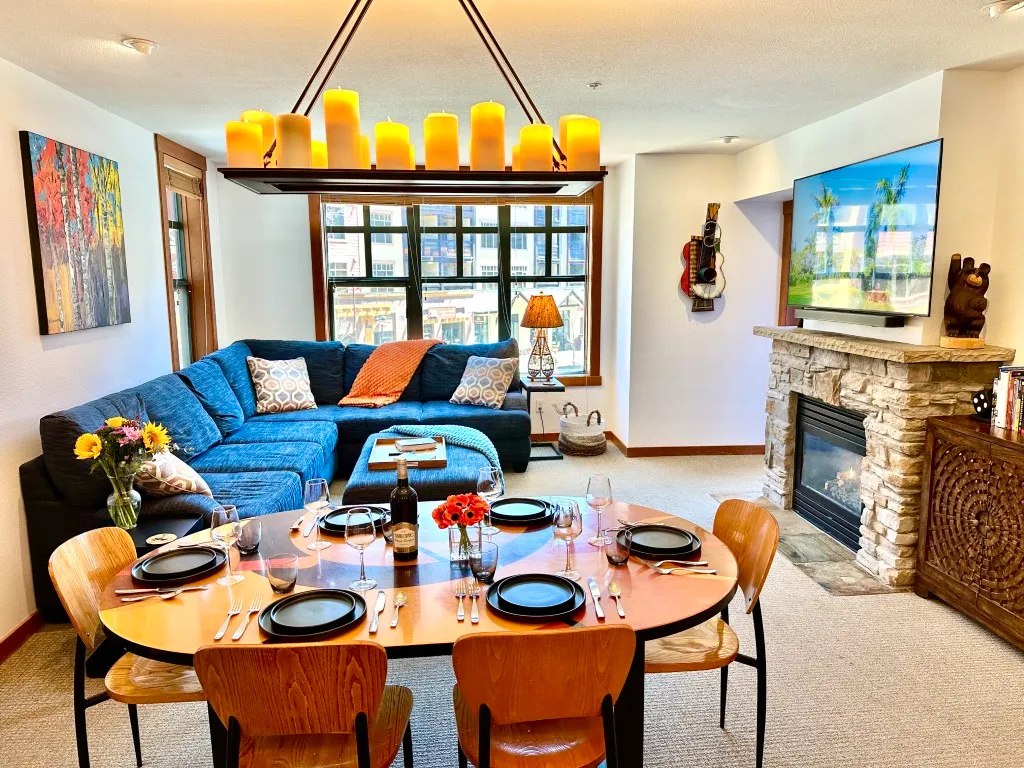
After hiking, photographing, and potentially extending to Rainbow Falls, genuine rest matters. Space to recover, organize gear, review photos, and plan the next day enhances—not detracts from—the adventure.
Luxury here is not extravagance. It is functionality, calm, and restoration that prepares you for what comes next.
Why it matters: The best trips have a narrative arc.
Devil’s Postpile works best as the centerpiece of a thoughtfully structured Mammoth Lakes itinerary—surrounded by acclimatization days, scenic hikes, lakes, or high-country exploration.
This sequencing prevents burnout and allows each experience to build upon the last.
Standing before Devil’s Postpile creates a quiet recalibration. You recognize that extraordinary experiences don’t always require distant travel—sometimes they exist just beyond the obvious itinerary.
For many travelers, Devil’s Postpile becomes a benchmark: a reminder of what’s possible when curiosity, planning, and intention align.
A: Devil’s Postpile National Monument is located near Mammoth Lakes in California’s Eastern Sierra. The formation is accessible via a short shuttle ride from the Mammoth Mountain Adventure Center during the summer season.
A: Devil’s Postpile features towering hexagonal basalt columns created by volcanic activity roughly 100,000 years ago. Its geometric precision and glacially-polished top make it one of North America’s most striking geological formations.
A: The optimal visiting period is mid-June through early September, when the shuttle operates, weather is favorable, and crowds are manageable. Early-morning visits during golden hour provide the best light for photography.
A: During peak summer months, private vehicles are not permitted. Visitors must use the mandatory shuttle from Mammoth Mountain Adventure Center. Choosing accommodations near the shuttle makes your visit smoother and stress-free.
A: Yes! Rainbow Falls is just a two-mile hike from Devil’s Postpile and provides a perfect complement—displaying prismatic waterfall effects and offering additional scenic exploration along the Middle Fork of the San Joaquin River.
A: The half-mile trail from the shuttle drop-off is accessible for most visitors, including families. The short connector trail to the polished top is steeper but rewards hikers with breathtaking views and a unique perspective of the hexagonal columns.
A: Comfortable hiking shoes, water, sunscreen, camera gear, and layers for changing mountain weather. If photographing the formation, consider early-morning light or wide-angle lenses for scale.